
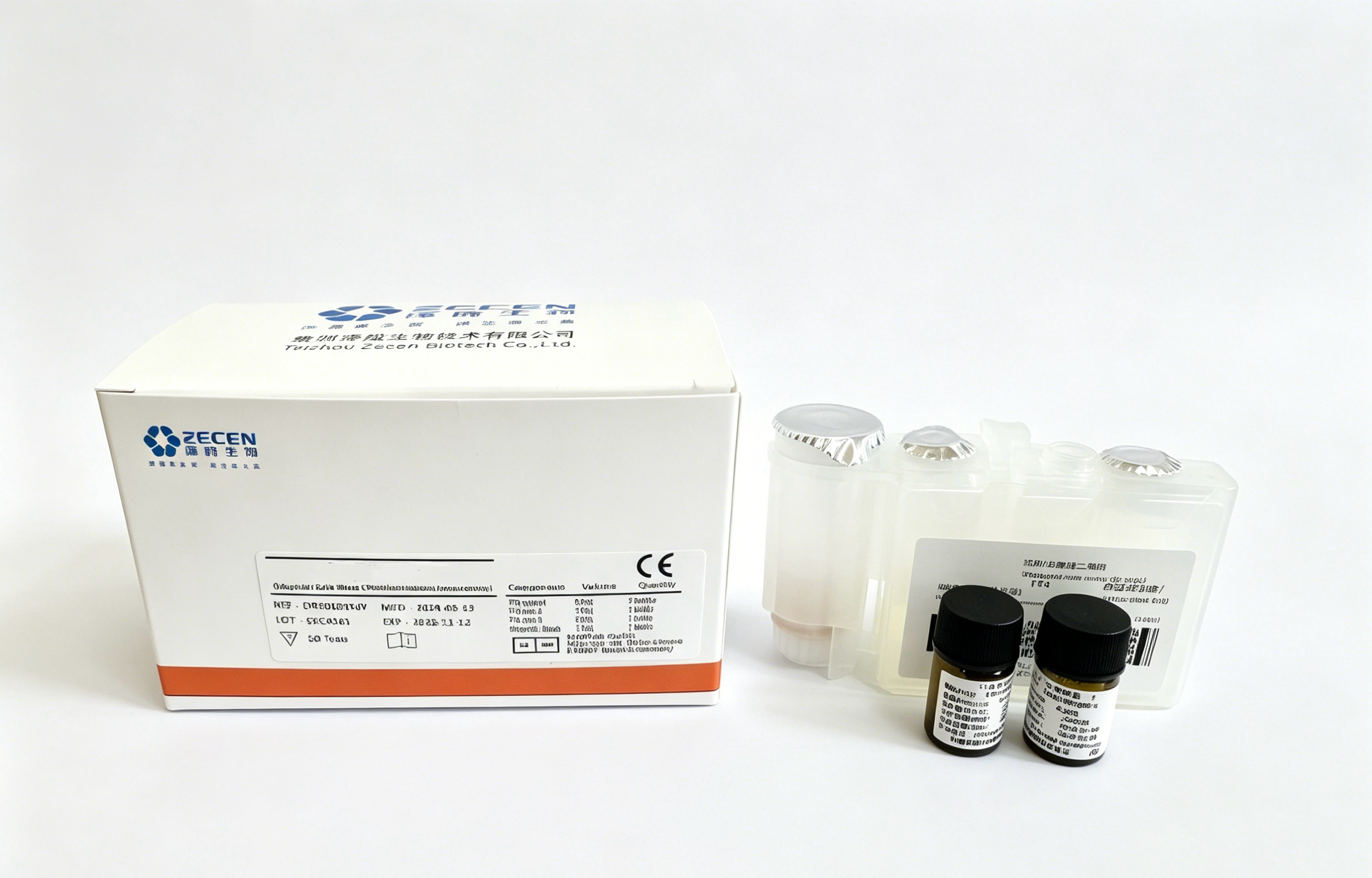


| Quantity: | |
|---|---|


Intended Use
This kit is intended for the in vitro quantitative determination of plasmin-α2 plasmin inhibitor complex (PIC) in human plasma.
Primary clinical applications include:
Assessment of Fibrinolytic System Activation: PIC is a direct molecular marker of fibrinolytic system activation. Elevated plasma PIC level reflects increased plasmin generation and activation of the fibrinolytic system.
Early Diagnosis and Staging of Disseminated Intravascular Coagulation (DIC): PIC levels show characteristic changes across different stages of DIC——remaining essentially unchanged in the hypercoagulable phase, beginning to rise in the consumptive (hypocoagulable) phase, and increasing markedly in the secondary hyperfibrinolysis phase. Thus, PIC can be used for early DIC diagnosis, staging, and treatment guidance.
Auxiliary Diagnosis of Thrombotic Disorders: Applicable for the auxiliary diagnosis of thrombotic diseases including venous thromboembolism (VTE) and deep vein thrombosis (DVT).
Thrombosis Risk Monitoring in Malignancy: Elevated PIC levels in patients with malignant tumors can serve as an early warning for thrombosis risk and may indicate disease progression.
Monitoring of Thrombolytic Therapy: PIC levels reflect the degree of fibrinolytic system activation during thrombolytic therapy and can be used to evaluate therapeutic efficacy.
Early Screening of High-Risk Thrombosis Populations: When combined with other novel thrombotic molecular markers such as TAT, TM, and t-PAIC, this kit can be used for early risk assessment in high-risk thrombosis populations across various clinical departments.


