
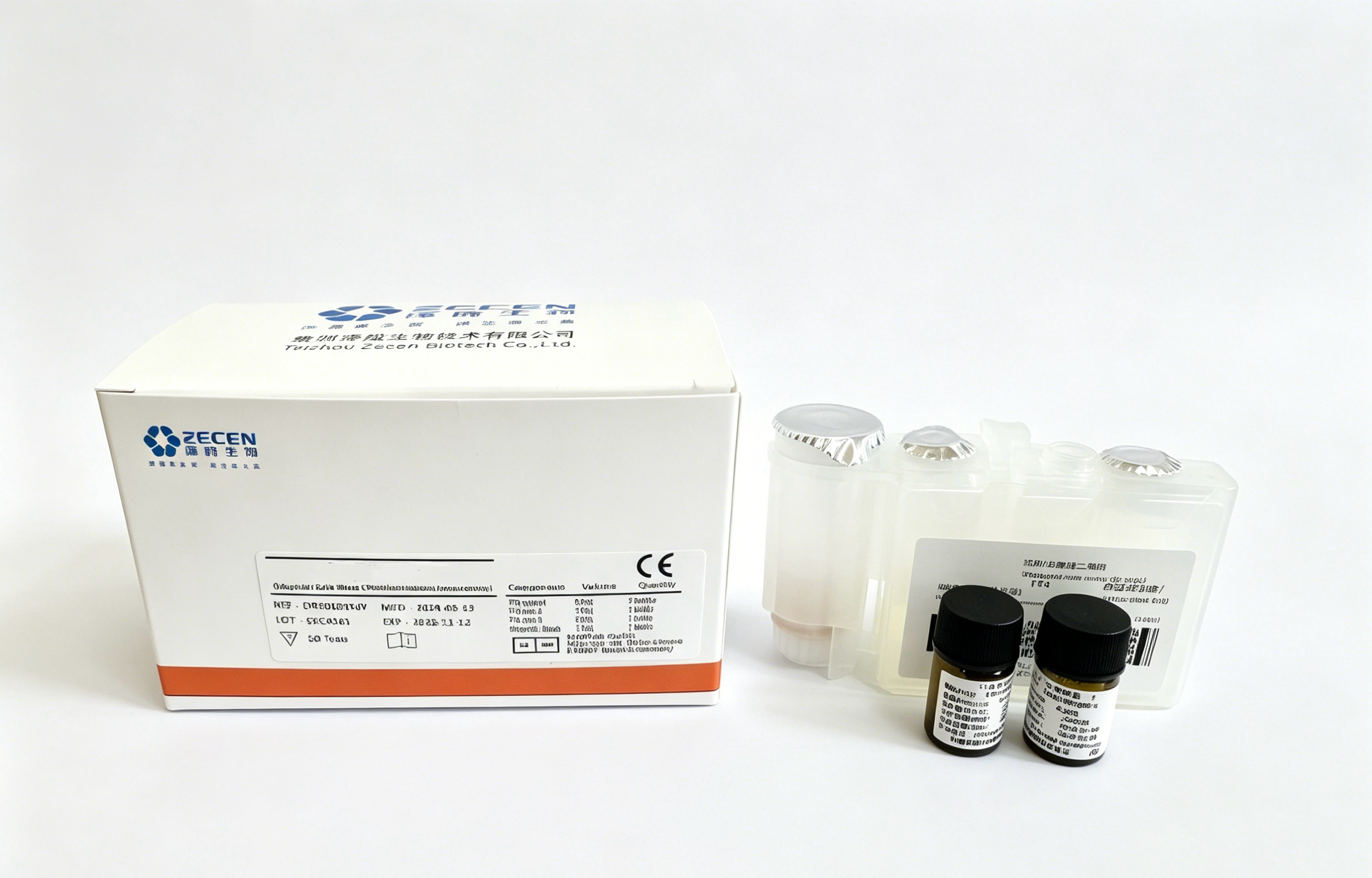


| Quantity: | |
|---|---|


Intended Use
This kit is intended for the in vitro quantitative determination of thrombin-antithrombin III complex (TAT) in human plasma.
Primary clinical applications include:
Assessment of Coagulation System Activation: TAT is a specific molecular marker of coagulation system activation. Elevated plasma TAT level reflects increased thrombin generation and activation of the coagulation system.
Auxiliary Diagnosis of Thrombotic Disorders: Applicable for the auxiliary diagnosis of thrombotic diseases including deep vein thrombosis (DVT), venous thromboembolism (VTE), acute myocardial infarction, cerebral infarction, and pulmonary embolism.
Early Diagnosis and Classification of Disseminated Intravascular Coagulation (DIC): TAT can be used for early classification of DIC. In early-stage DIC, TAT levels increase significantly and show more pronounced changes. TAT has a high negative predictive value for predicting DIC tendency in patients with infectious diseases. Combined detection of TAT with TM, PIC, and D-dimer improves the diagnostic efficiency of early DIC.
Early Prediction of Thrombosis and Recurrence Risk: Elevated TAT levels enable early prediction of thrombosis and recurrence risk.
Monitoring of Anticoagulant and Thrombolytic Therapy: TAT can be used to evaluate the efficacy of anticoagulant therapy, particularly for monitoring re-thrombosis after thrombolytic treatment.
Postoperative Coagulation Function Monitoring: TAT can be used to monitor changes in coagulation function after surgery.
Early Screening of High-Risk Thrombosis Populations: When combined with other novel thrombotic molecular markers such as PIC, TM, and t-PAIC, this kit can be used for early risk assessment in high-risk thrombosis populations across various clinical departments. It is particularly suitable for high-risk groups including trauma patients, fracture patients, patients with malignant tumors, pregnant women, and patients with severe liver disease.


