Views: 0 Author: Site Editor Publish Time: 2026-08-25 Origin: Site


Clinical laboratories face immense operational pressure every single day. They must support rapid Emergency Department (ED) triage. Acute myocardial infarction (AMI) cases demand swift and unquestionable results. Diagnostic delays simply cannot happen in acute care settings. Modern labs are shifting heavily toward chemiluminescence immunoassay (CLIA) platforms. These systems perfectly balance high throughput, flawless automation, and precise low-end sensitivity. Accurate early diagnosis leaves absolutely no room for analytical error.
Building an effective cardiac menu requires aligning strict clinical guidelines with daily laboratory realities. You must evaluate each cardiac marker CLIA kit carefully. Success depends on balancing analytical precision and seamless platform compatibility. Organizations like CAP and AACC dictate rigorous performance standards for these specific assays.
In this guide, we will explore the essential components of a robust cardiac testing menu. You will learn how to assess technical criteria effectively. We will also cover how to integrate new assays into your daily workflow without disrupting patient care.
High-sensitivity Troponin remains the mandatory anchor for any modern cardiac menu, dictating the precision requirements for your CLIA platform.
Integrating a CK-MB test kit and myoglobin CLIA kit requires a clear clinical justification, typically for detecting re-infarction or early rule-out protocols.
Selecting an automated immunoassay reagent demands rigorous evaluation of lot-to-lot consistency, 99th percentile CV%, and onboard stability.
Vendor shortlisting should prioritize supply chain transparency, technical validation support, and compliance with CAP/CLIA quality control guidelines.
Chest pain pathways represent a major diagnostic bottleneck in emergency medicine. ED physicians rely on laboratory data to make immediate triage decisions. Labs must deliver rapid turnaround times (TAT) consistently. A TAT under 60 minutes is the global standard for cardiac panels. You must achieve this speed without compromising analytical specificity. False positives lead to unnecessary interventions. False negatives risk fatal patient discharges. Delivering rapid results requires highly streamlined internal laboratory processes. Every minute saved directly influences patient survival rates.
Manual handling steps introduce unacceptable variables in acute diagnostics. Semi-quantitative methods fail to meet the rigorous demands of modern cardiac protocols. They lack the low-end sensitivity required by contemporary clinical guidelines. This drives the absolute necessity for a fully automated immunoassay reagent system. Automation reduces human pipetting errors. It standardizes incubation times perfectly. Automated platforms handle complex sample matrices with consistent precision. They enable technicians to walk away and focus on other critical laboratory tasks. Consistent, reproducible data relies entirely on this hands-free automated approach.
Consolidating your cardiac assays onto a single CLIA platform changes everything. It heavily optimizes daily workflow economics. Technicians spend far less time managing multiple diverse analyzers. Consolidation minimizes sample splitting across different diagnostic stations. This preserves precious sample volumes. It also simplifies your preventive maintenance schedules. Managing one core system improves overall operational efficiency. Labs reduce the administrative burden of maintaining disparate quality control logs. Efficient workflows allow your staff to process higher volumes without experiencing burnout.
High-sensitivity Troponin serves as the absolute cornerstone assay. It dictates the baseline performance of your entire cardiac menu. Modern clinical guidelines demand precise quantification well below the 99th percentile upper reference limit (URL). Standard troponin assays simply cannot detect minor myocardial injury early enough. High-sensitivity formats identify minor elevations within hours of symptom onset. You must choose an assay capable of delineating sex-specific cutoffs accurately. This level of precision requires exceptional reagent design and platform stability.
The clinical utility of CK-MB has narrowed, but it remains specifically valuable. Its primary advantage lies in its biological kinetics. CK-MB clears from the bloodstream much faster than Troponin. This shorter biological half-life makes a CK-MB test kit highly useful for identifying early re-infarction. If a patient experiences a second ischemic event post-AMI, Troponin levels may still be elevated from the first event. CK-MB will drop and spike again, providing clear clinical visibility. You must carefully define the clinical pathway for its use to prevent redundant ordering.
Myoglobin requires an evidence-based and highly balanced view. It offers exceptionally high sensitivity for early muscle damage. It rises in the blood sooner than any other standard marker. However, it suffers from very low cardiac specificity. Skeletal muscle trauma will also cause significant myoglobin spikes. Therefore, a myoglobin CLIA kit functions best as an optional early rule-out tool. Hospital protocols dictate its actual necessity. If myoglobin remains negative two hours post-onset, clinicians can quickly rule out massive myocardial necrosis.
Natriuretic peptides act as the essential complementary markers on your menu. Clinicians use them to differentiate heart failure from other causes of acute dyspnea. Shortness of breath presents a complex diagnostic challenge in the ED. BNP or NT-proBNP levels help isolate the cardiac origin of the symptom. Combining these markers with troponin provides a comprehensive view of cardiac stress and structural damage.
Chart: Cardiac Marker Characteristics Summary | |||
Marker | Primary Clinical Utility | Initial Elevation Time | Biological Half-Life |
|---|---|---|---|
hs-Troponin | Gold standard for AMI diagnosis | 1 - 3 hours | 10 - 14 days |
CK-MB | Detecting early re-infarction | 3 - 6 hours | 48 - 72 hours |
Myoglobin | Rapid negative predictive value | 1 - 2 hours | 24 hours |
BNP/NT-proBNP | Heart failure differentiation | Varies by stress | 20 mins / 120 mins |
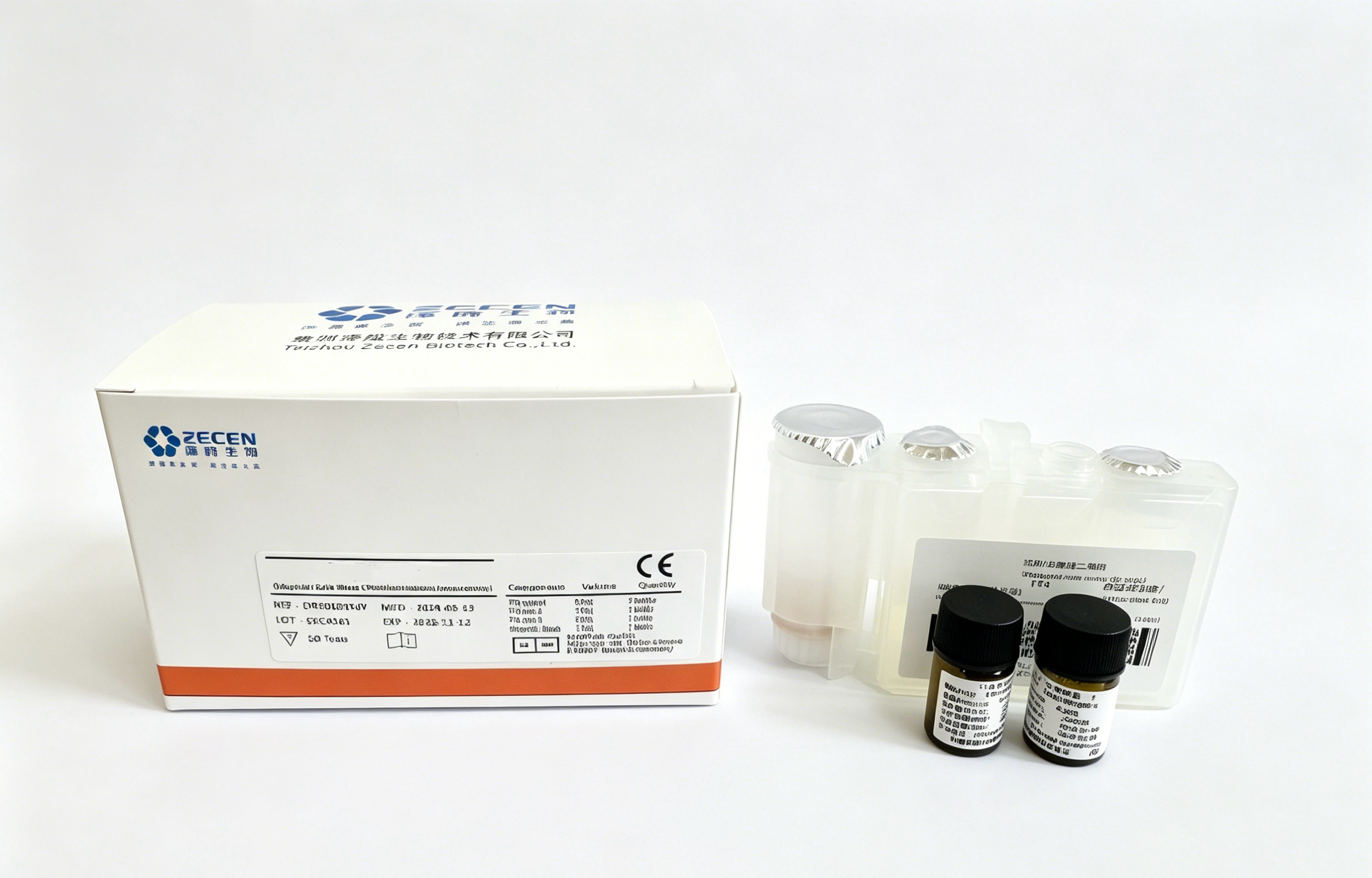
Laboratory directors must scrutinize technical specifications relentlessly. Acceptable limits of detection (LoD) separate adequate assays from exceptional ones. For high-sensitivity troponin, the analytical precision must be flawless. Industry guidelines strictly require a Coefficient of Variation (CV) of ≤10% at the 99th percentile URL. Assays failing this precision metric cannot qualify as "high-sensitivity." You should always request raw validation data from the manufacturer. Verify their claims against independent, peer-reviewed clinical literature.
Interferences completely derail accurate cardiac diagnostics. You must review the CLIA diagnostic reagent IFU (Instructions for Use) thoroughly. Pay special attention to biotin interference. Many modern chemiluminescence assays use a biotin-streptavidin architecture. High doses of supplemental biotin can cause false-negative sandwich assay results. You must also evaluate cross-reactivity with skeletal muscle proteins. Hemolysis, lipemia, and icterus thresholds require careful verification. Understand exactly when a hemolyzed sample mandates a complete redraw.
Efficiency dictates daily operational smoothness. Assess the true onboard stability of the reagents. Longer stability means less waste and fewer manual interventions. Calibration frequency varies significantly between manufacturers. A 28-day calibration cycle drastically outperforms a 14-day cycle. It saves expensive calibrator fluid and precious technician time. Also, investigate dead-volume requirements. High dead-volume thresholds waste valuable reagent and complicate pediatric or difficult-draw patient samples.
Compliance documentation protects your laboratory during strict external audits. Ensure the reagent maintains clear traceability to international reference standards. Ask vendors for comprehensive traceability chain documentation. Availability of third-party quality control (QC) materials is absolutely vital. CAP guidelines heavily favor assays supported by independent QC programs. Your laboratory must maintain rigorous daily logs proving continuous compliance. Choosing a transparent vendor greatly simplifies this immense administrative burden.
Best Practice: Always request the vendor's interference testing summary before signing a long-term contract.
Common Mistake: Ignoring the required dead-volume specifications, leading to unexpected daily reagent shortages.
Best Practice: Sync your new reagent calibration schedule with your existing core lab maintenance calendar.
Transitioning to a new platform introduces clinical risks. Baseline shifts often occur when changing reagent lots or manufacturers. You must conduct meticulous bridging studies. This process prevents sudden, unexplained shifts in patient reporting. Evaluate overlapping lot validations carefully to ensure safe longitudinal patient tracking. A reliable cardiac marker reagent maintains strict lot-to-lot consistency. The validation process usually demands running dozens of diverse patient samples across both the old and new systems simultaneously.
Select a diverse pool of clinical samples covering the entire analytical measuring range.
Run samples on the legacy system and the new CLIA platform simultaneously.
Calculate the bias and assess clinical concordance based on standard guidelines (e.g., CLSI EP09).
Document all statistical findings for your medical director's final sign-off.
Never blindly trust manufacturer-provided reference ranges. You must verify these intervals against your local patient population. Demographics heavily influence baseline cardiac marker levels. This step holds critical importance for high-sensitivity Troponin. Modern guidelines demand distinct sex-specific cutoffs for Troponin. Men and women exhibit inherently different baseline myocardial tissue volumes. Using a single, universal cutoff often leads to under-diagnosing acute ischemic events in female patients.
Technology upgrades always create temporary workflow disruptions. Staff training mitigates these inevitable transition period risks. You must update your Laboratory Information System (LIS) interfaces seamlessly. Standardizing reporting units prevents massive clinical confusion. For instance, shifting from ng/mL to ng/L requires comprehensive physician education. Train your technicians extensively on new platform maintenance routines. Hands-on experience during the validation phase builds necessary technical confidence. A confident team handles ED pressure much more effectively.
Vendor selection shapes your laboratory's future capabilities. Determine whether your environment needs an open or closed system. Closed systems offer tightly controlled, optimized performance. Open systems provide broader assay flexibility. Consider if the lab requires a standalone, dedicated cardiac analyzer. Alternatively, you might need a menu that integrates directly into existing high-volume core lab tracks. Track-based integration reduces manual sample loading and streamlines total lab automation.
Recent years exposed massive vulnerabilities in global diagnostic supply chains. You must evaluate vendor transparency regarding reagent manufacturing locations. Request their historical backorder data for the past three years. Analyze the guaranteed shelf-life of products upon delivery. Reagents arriving with short expiration dates cause unacceptable inventory waste. A resilient partner maintains local distribution hubs and buffer stocks. They must guarantee rapid overnight shipments during critical shortage events.
Move from research to active evaluation. Request comprehensive clinical validation summaries from your top two shortlisted vendors. Ask specifically for peer-reviewed white papers supporting their 99th percentile claims. Demand an on-site trial evaluation kit. Running the actual assays in your own environment reveals the true platform capabilities. Challenge the system with your most difficult, hemolyzed, or lipemic clinical samples to observe real-world performance.
A high-performing cardiac menu relies on precise assays enduring the intense stress of daily ED demands.
Analytical sensitivity, especially CV ≤10% at the 99th percentile, dictates the clinical trustworthiness of your troponin results.
Thorough bridging studies and sex-specific reference interval validations prevent dangerous shifts in patient diagnosis.
Choosing the right CLIA partner reduces compliance friction and elevates patient care through rapid, unquestionable results.
Take action today: audit your current ED TAT metrics and request an on-site assay evaluation from a top-tier vendor.
A: Yes, in specific scenarios. While high-sensitivity Troponin stands as the absolute gold standard for AMI diagnosis, clinical pathways vary. Some hospital protocols utilize a myoglobin CLIA kit for rapid 1-hour rule-outs due to its fast initial rise. Additionally, clinicians order a CK-MB test kit to track infarct extension or early re-infarction accurately, thanks to its shorter biological half-life.
A: The industry standard dictates strict precision metrics. According to IFCC guidelines, a true high-sensitivity troponin assay must demonstrate a Coefficient of Variation (CV) of ≤10% at the 99th percentile upper reference limit. This rigorous standard ensures optimal trustworthiness, analytical authority, and clinical safety during early AMI detection.
A: Validation typically requires a realistic timeline of 4 to 8 weeks. This period covers crucial steps including linearity testing, precision studies, and method comparison (bridging studies). It also includes establishing local reference intervals, finalizing LIS integration, and completing mandatory staff training prior to clinical go-live.
A: Many CLIA platforms utilize a biotin-streptavidin binding architecture. High levels of dietary biotin supplements can saturate the streptavidin binding sites. In sandwich assays like Troponin, this interference prevents the signal complex from forming, causing dangerous false-negative results. Always check vendor IFUs for specific biotin tolerance thresholds.


